Tree Removal Experts: Preserving Safety and Aesthetic Appeal in Your Outdoor Space
Tree removal services are a crucial component of preserving a secure and aesthetically pleasing outdoor space. Overgrown, damaged, or diseased trees can pose significant risks to both property and individuals. Moreover, carefully planned tree removal can greatly elevate the overall beauty of an outdoor space. Recognizing when and why these services are needed allows property owners to make educated decisions. What key elements should property owners weigh before undertaking tree removal?
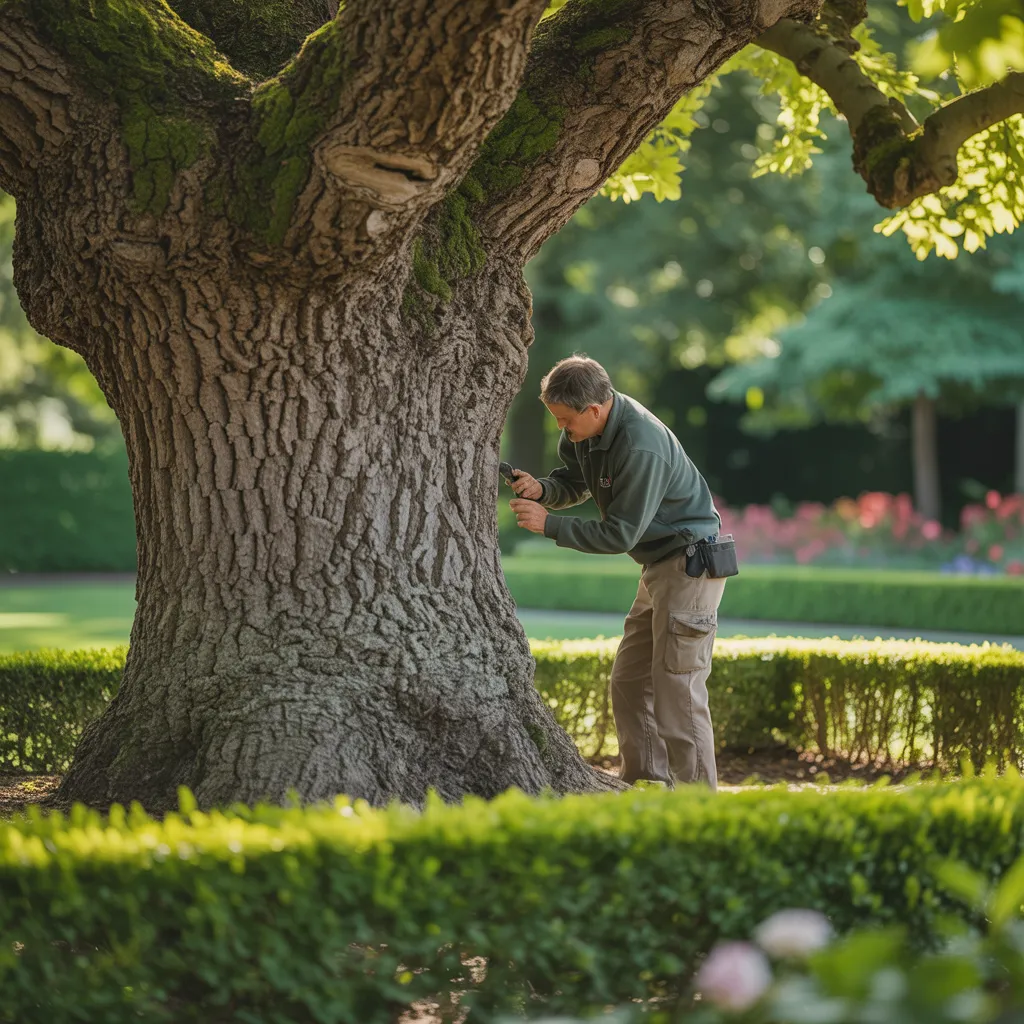
Recognizing When Tree Removal Is Necessary
Additionally, environmental factors, such as roots intruding upon foundations or walkways, can require the tree to be removed. Lastly, the general visual appeal and spatial factors of a yard may influence the decision. By examining these considerations, landowners can arrive at educated decisions regarding removing trees, safeguarding the safety and beauty of their environment.
Why Tree Removal Matters for Safety
When examining the security of a property, tree removal often becomes essential, especially when trees present hazards to surrounding structures or people. Deteriorating or overgrown trees can create substantial risks, including dropping branches or whole trees toppling during severe weather. These incidents can cause severe damage to homes, vehicles, and outdoor spaces, while also presenting a danger to the wellbeing of residents and guests.
In addition, trees plagued by pests or diseases may undermine their structural integrity, amplifying the risk of unforeseen failures. In metropolitan areas, presence near power lines significantly increases the requirement for removal, as fallen branches can damage electrical services and cause perilous circumstances.
How Professional Tree Removal Enhances Landscape Aesthetics
Expert tree removal significantly improves landscape aesthetics by improving visual balance within outdoor spaces. By thoughtfully taking out overgrown or improperly situated trees, homeowners can increase sunlight exposure, promoting healthier growth of surrounding plants. Additionally, a properly managed outdoor space frequently results in increased property worth, rendering professional tree removal an excellent long-term investment.
Improved Visual Balance
A well-maintained landscape often relies on the thoughtful balance of its elements, and tree removal can prove essential to achieving this harmony. When certain trees grow too large for or fall out of sync with the overall design, they can interrupt the aesthetic continuity of the yard. Professional tree removal allows homeowners to redefine sightlines and create a more harmonious appearance. This process can enhance the prominence of existing features, such as garden beds or decorative stonework, allowing them to stand out without interference from unruly foliage. Furthermore, the removal of unhealthy or dead trees can reduce unwanted distractions, contributing to a more refined aesthetic. Ultimately, carefully planned tree removal fosters a feeling of structure, enhancing the beauty and appeal of the overall landscape.
Amplified Sunlight Exposure
Although trees offer shade and shelter, excessive canopy coverage often leads to diminished sunlight exposure in a landscape. Skilled tree removal can substantially boost the attractiveness of outdoor environments by enabling more sunlight to filter through. Enhanced sunlight exposure nurtures stronger grass and plants, stimulating rich colors and vigorous development. Furthermore, it can create a more inviting atmosphere, making outdoor spaces feel larger and more open. Such an improvement can further emphasize the architectural details of the property and refine the overall aesthetic balance of the outdoor space. Through the careful removal of specific trees, homeowners can attain a balanced combination of greenery and natural light, elevating the pleasure of their outdoor living space.
Enhanced Property Value
Professional tree removal can substantially increase property value by elevating landscape aesthetics. By removing dead, diseased, or overcrowded trees, homeowners are able to establish a more spacious and welcoming environment. This not only promotes improved sunlight exposure but also highlights the surrounding vegetation, giving the yard a more polished and appealing look. Skilled tree removal professionals make certain that trees are taken down safely and efficiently, protecting adjacent structures from potential damage. Additionally, a well-maintained landscape can boost curb appeal, making properties more enticing to potential buyers. Through investing in expert tree removal, homeowners can substantially enhance the visual attractiveness of their outdoor spaces, ultimately driving an increase in total property value and desirability.
What to Consider When Choosing a Tree Removal Service
When selecting a tree removal service, what factors should one consider to ensure a successful and smooth process? First, verify the company's credentials, including proper insurance and valid licensing. This confirms that the service is legitimate and protects against potential liabilities. Furthermore, evaluate the skill level and knowledge of the team. A proficient team can thoroughly analyze the conditions and carry out the removal while protecting adjacent properties.
Moreover, past client reviews and recommendations offer valuable insight into the service provider's reliability and workmanship. A credible service should also provide clear and detailed estimates and a well-defined process, detailing potential risks and solutions. To conclude, pertinent details find out about safety procedures and machinery applied during the removal process. Focusing on these factors can result in a more seamless experience, confirming that the tree is removed efficiently while preserving safety standards and professionalism throughout.
Garden Upkeep Tips After Removing a Tree
After tree removal, homeowners ought to concentrate on rejuvenating the outdoor space to restore its aesthetic appeal and health. The first step involves inspecting the area for residual roots or waste material, which can hinder new plant growth. Removing any remaining stump or wood chips is critical to keeping pests at bay and opening up space for fresh plantings.
Next, homeowners should consider soil health. Conducting a soil test can uncover nutritional gaps, allowing for the right corrective treatments to encourage new plant growth. Replanting with native or suitable species can assist in preserving the ecological balance and elevate the overall appearance of the landscape. Mulching around new plants retains moisture and suppresses weeds.
Regular watering and monitoring for pests are essential throughout the initial development period. Furthermore, establishing a maintenance routine, including periodic pruning and fertilization, helps foster a thriving outdoor space. By implementing these recommendations, homeowners can guarantee their yards thrive following the removal of trees.
Dispelling Common Misconceptions About Tree Removal Services
Within the realm of tree removal services, a number of misconceptions commonly emerge that can mislead homeowners. Such myths commonly disregard key elements such as safety risks and the environmental impact of tree removal. Through examining these widespread misconceptions, a clearer picture of professional tree removal can emerge.
Common Misconceptions Explained
Misunderstandings regarding tree removal services commonly distort public perception, resulting in reluctance to seek professional assistance. One prevalent myth is that all tree removal is dangerous and should be attempted only by trained professionals. While it's true that safety is paramount, many trees can be removed with proper techniques and equipment. A further misunderstanding is that removing a tree automatically boosts property value; though in reality, this depends heavily on a range of different factors. Furthermore, many assume that tree removal leaves behind a desolate landscape, but skilled services can enhance landscape aesthetics through careful planning. At its core, correcting these false beliefs helps property owners approach tree removal decisions with greater knowledge and assurance.
Safety Concerns Neglected
Despite the common belief that tree removal is an easy undertaking, many homeowners overlook the dangers involved. The process is far more complex than cutting down a tree; it requires expertise to handle potential hazards such as falling branches, electrical lines, and unstable ground. Untrained individuals often fail to account for these dangers, leading to injuries or property damage. Furthermore, the use of heavy equipment necessitates specific knowledge to handle properly. Misconceptions remain common that hiring professionals is not required, yet experienced tree removal services are outfitted with the right tools and safety protocols to minimize hazards. Dismissing these safety concerns can have severe outcomes, making it imperative for homeowners to appreciate the complexities of tree removal before trying it on their own.
Myths About Environmental Impact
While many believe that tree removal always harms the environment, such a belief tends to ignore critical nuances. Responsible tree removal can actually promote ecological balance. As an example, taking out dead or diseased trees can halt the transmission of pests and illness, protecting the nearby plant life. Furthermore, strategic tree removal can enhance sunlight exposure for healthier plants and enhance soil health by decreasing nutrient competition. Beyond this, following tree removal, eco-friendly efforts like replanting or incorporating native species into landscaping can significantly boost biodiversity. Myths suggesting that all tree removal is detrimental ignore the potential benefits of thoughtful intervention, showing that properly executed tree removal can have beneficial environmental effects. Understanding these nuances is essential for informed decision-making regarding tree care.
Questions We Are Often Asked
What Are the Typical Costs Associated With Tree Removal?
The typical cost of tree removal ranges anywhere from $300 up to $2,000, with the price influenced by factors like the size of the tree, its location, and the difficulty of the work. Extra charges may apply for stump grinding or difficult access situations.
Is Tree Removal Covered by Homeowners Insurance?
Tree removal may be included in homeowners insurance, based on specific policy terms and why the removal is needed. It's critical for property owners to review their policies and speak with their insurance providers for clarity.
How Much Time Does the Tree Removal Process Require?
The tree removal process typically takes a few hours to a full day, depending on the tree's location, size, and overall complexity. Factors like crew and equipment availability can also impact the length of the job.
Can I Take Down a Tree Myself?
Cutting down a tree by yourself is achievable, but it requires significant knowledge, skill, and safety precautions. Several considerations, including the dimensions and position of the tree, impact the determination. Hiring a professional is commonly suggested to secure safety and appropriate technique.
What Permits Are Needed for Tree Removal?
Local regulations frequently determine the permits needed for tree removal. In most cases, property owners must refer to local regulations, as permits could be needed for certain tree types, dimensions, or if the tree is found within environmentally protected regions.